Norman Toynton
Painter - Sculptor - Teacher
Norman Toynton was a British painter, sculptor and teacher whose practice explored the human figure through a distinctive language of abstraction, gesture and form. His work moved between painting and sculpture, balancing close observation with an increasingly expressive approach to the body and its psychological presence.
About Norman Toynton…
Norman Toynton (1939–2025) was a British painter and teacher whose career spanned more than six decades. Born in London, he studied at Hornsey College of Art and the Royal College of Art, where his contemporaries included David Hockney and Allen Jones. His early work emerged within the experimental British art scene of the 1960s, including the 1962 Image in Progress exhibition at the Grabowski Gallery.
In 1969, Toynton moved to North America, where he combined an active artistic career with teaching. He held senior academic positions in Canada and the United States, eventually becoming Chair of the Graduate Programme in Fine Art at the Massachusetts College of Art in Boston. During the 1970s he exhibited extensively, including solo exhibitions at the Whitechapel Gallery in London and the Institute of Contemporary Art in Boston.
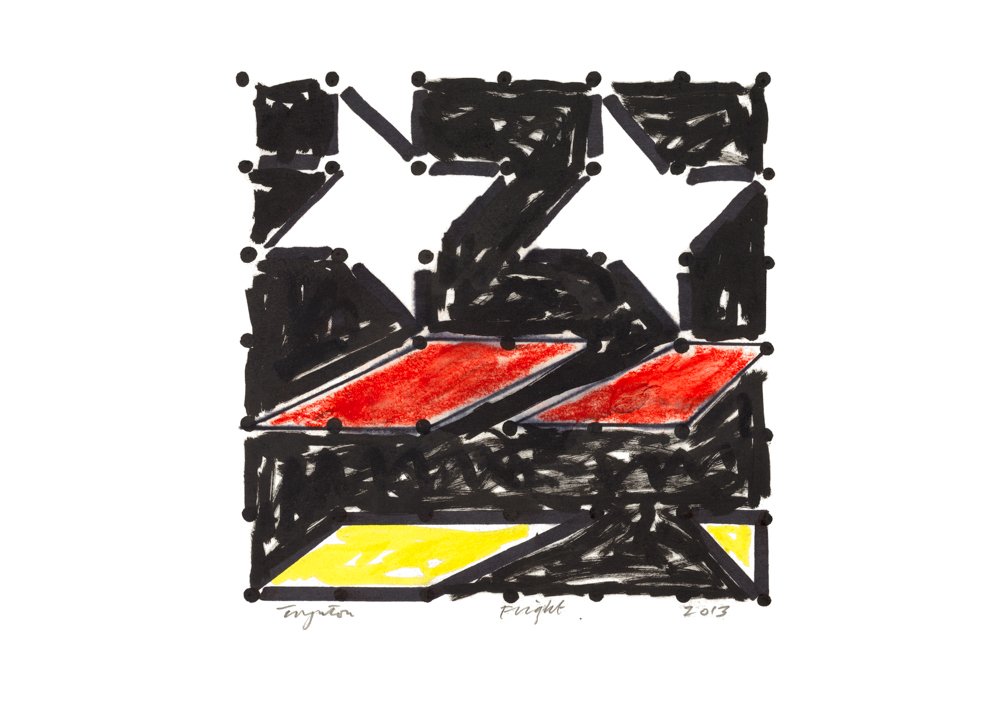
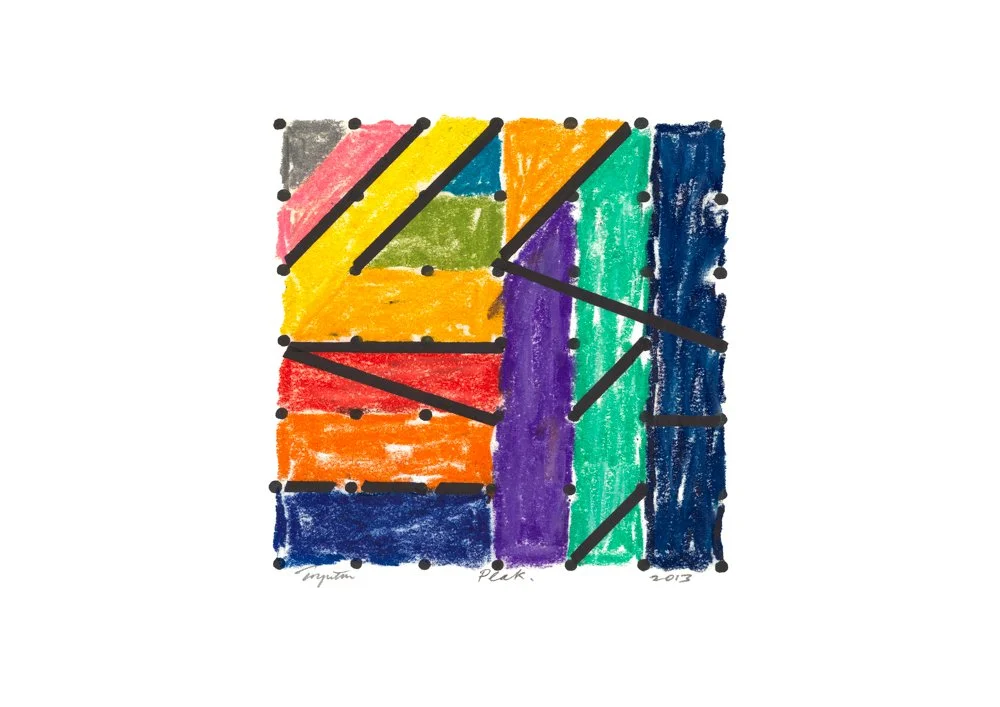
Toynton became particularly known for his innovative use of Masonite pegboard as a painting surface, transforming an industrial, mass-produced material through saturated colour, pattern and heavily worked paint. His paintings were exhibited widely in London, Boston and New York and entered both public and private collections.
After periods living in Vermont and travelling extensively, including to India, Toynton returned permanently to England in 2006 and established a studio on the North Norfolk coast. He continued to paint there until his death in June 2025, leaving a substantial body of abstract work concerned with colour, material, perception and the possibilities of painting itself.
Art & Practice…
Norman Toynton’s practice is fundamentally concerned with the possibilities of painting: its materiality, its physical surface and its capacity to alter the act of looking. Although his early career encompassed installation, drawing and figurative work, painting became increasingly central, developing into a sustained investigation of colour, pattern, repetition and perception.
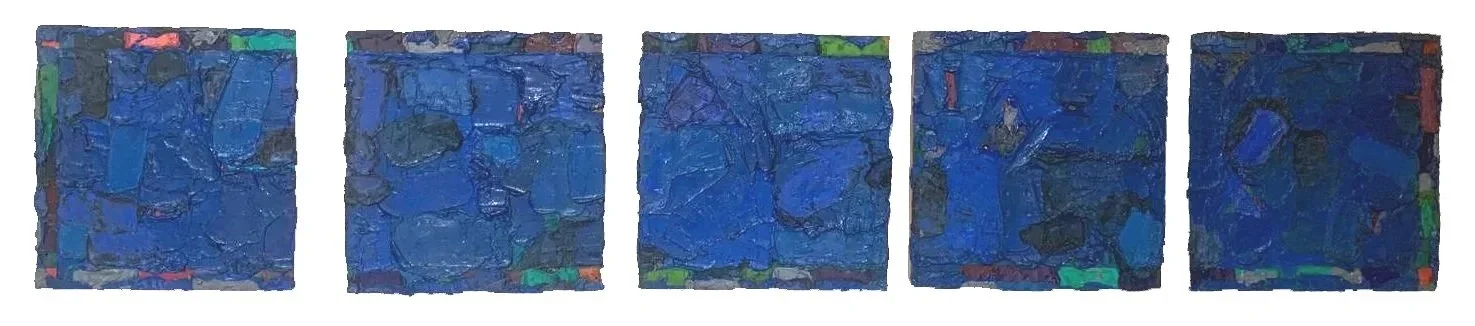
A defining innovation was Toynton’s use of Masonite pegboard as a painting surface. Originally employed in his installations, the industrial material became an integral part of his later work. He painted directly onto the perforated surface, sometimes working paint through the holes and sometimes attaching richly painted elements to it. In doing so, he transformed an ordinary, mass-produced material into something visually complex and sensuous.
The repeated panels of his pegboard paintings are rarely identical. Diptychs, triptychs and larger sequences create subtle variations across apparently ordered structures, encouraging the viewer to slow down and attend to differences that might initially remain invisible. Repetition therefore becomes not simply a formal device but a way of making perception itself the subject of the work.
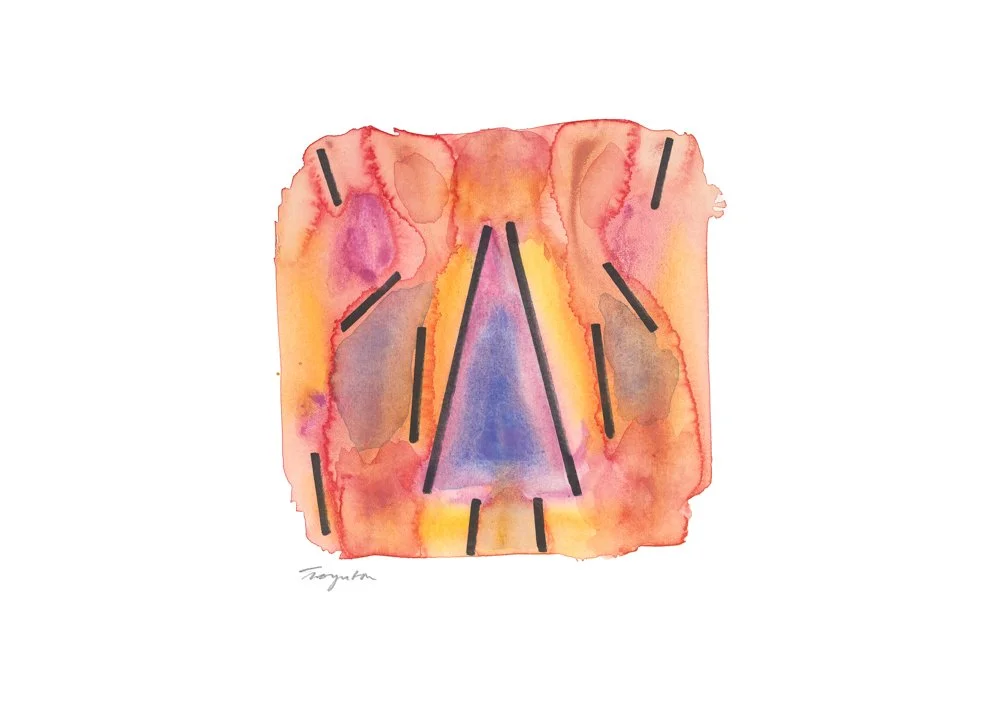
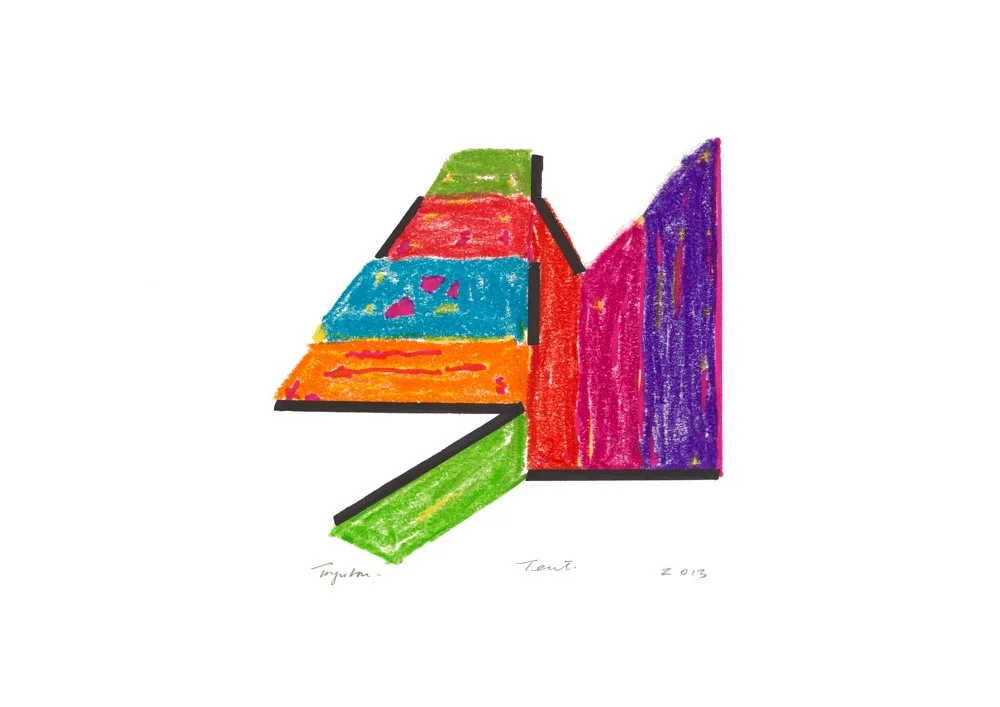
Colour is equally fundamental. Toynton’s surfaces are saturated, tactile and highly worked, with oil paint accumulating across the perforated ground to create a tension between pattern and painterly gesture. The physical character of the material remains visible, allowing the painting to operate simultaneously as image and object.
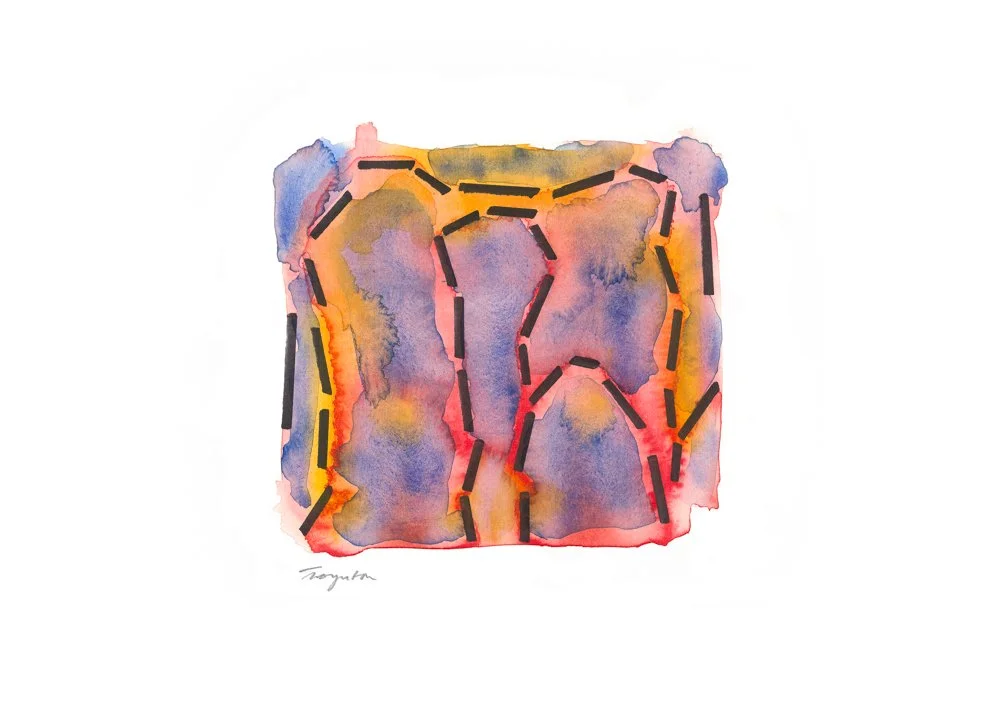
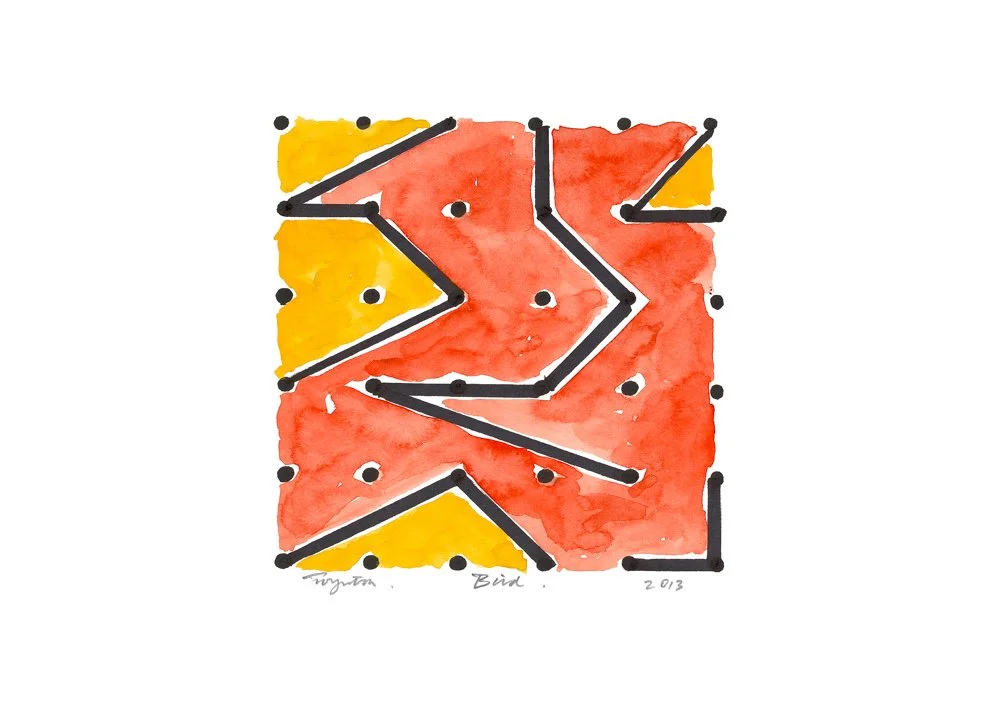
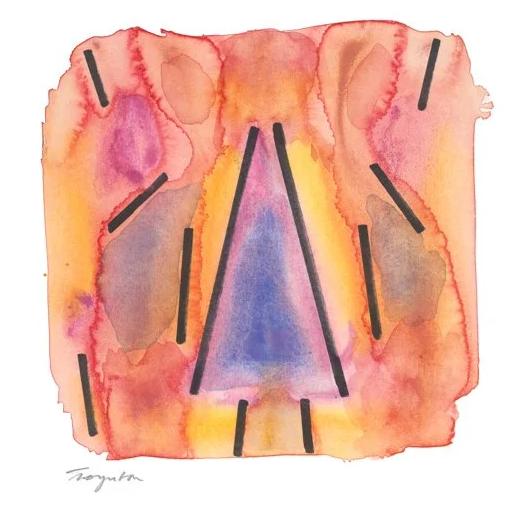
This concern with the act of looking extends to his drawings, which remained a continuous part of his practice from childhood onwards. Many of his later drawings functioned as studies for large-scale installations and paintings, while others returned to the figure and the observed world.
Across more than six decades, Toynton pursued an understanding of abstract painting as a form of thinking. His work asks the viewer not simply to recognise an image, but to spend time with its surface, structure, colour and material presence. In this sense, the physical construction of the painting becomes inseparable from the experience of looking.
Gallery