Nicholas Wyatt
Artist - Researcher - Cubitt Founder
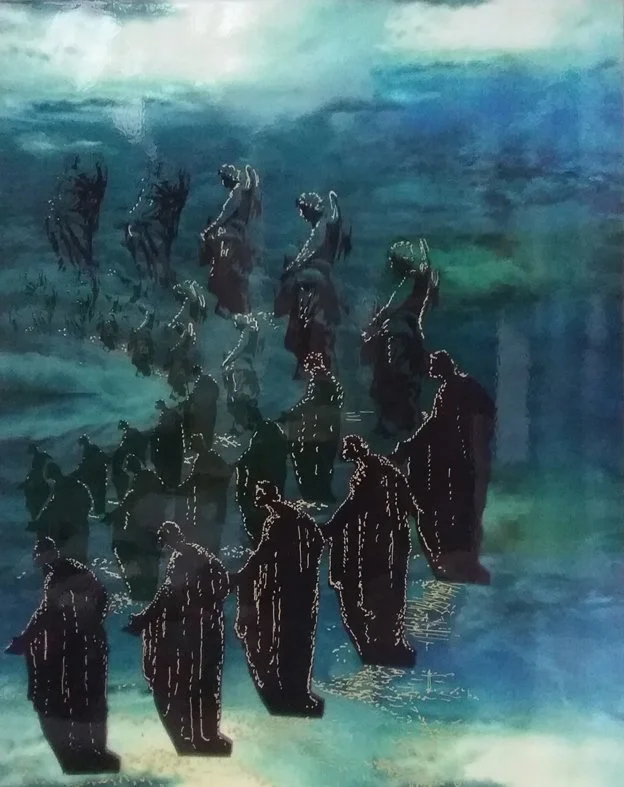
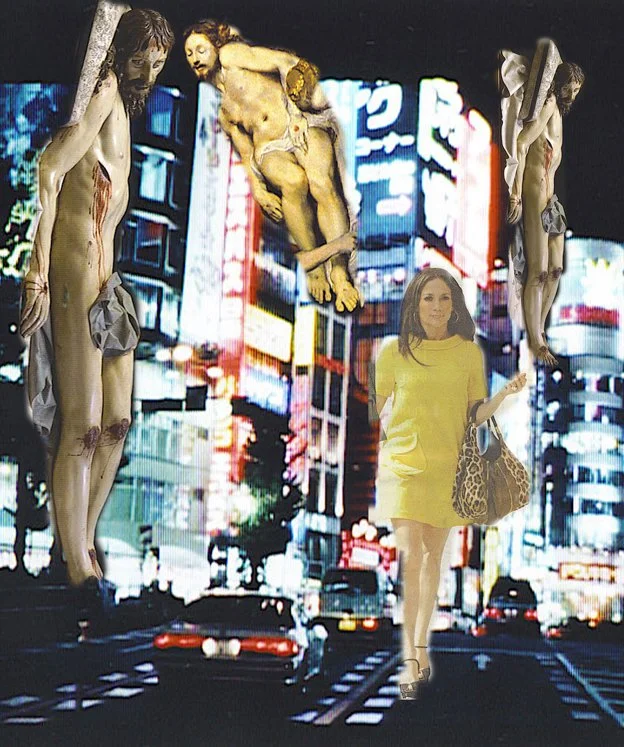
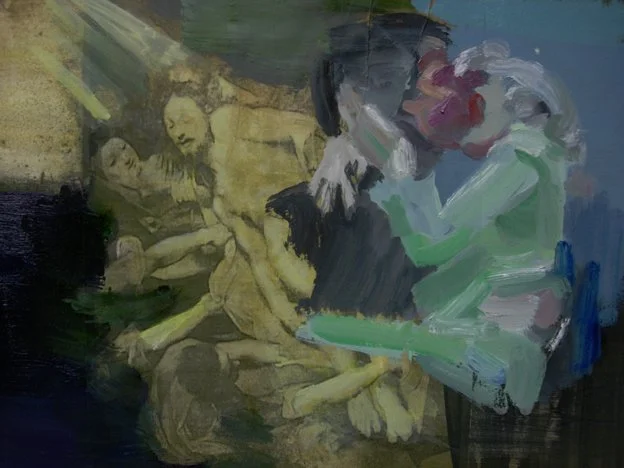
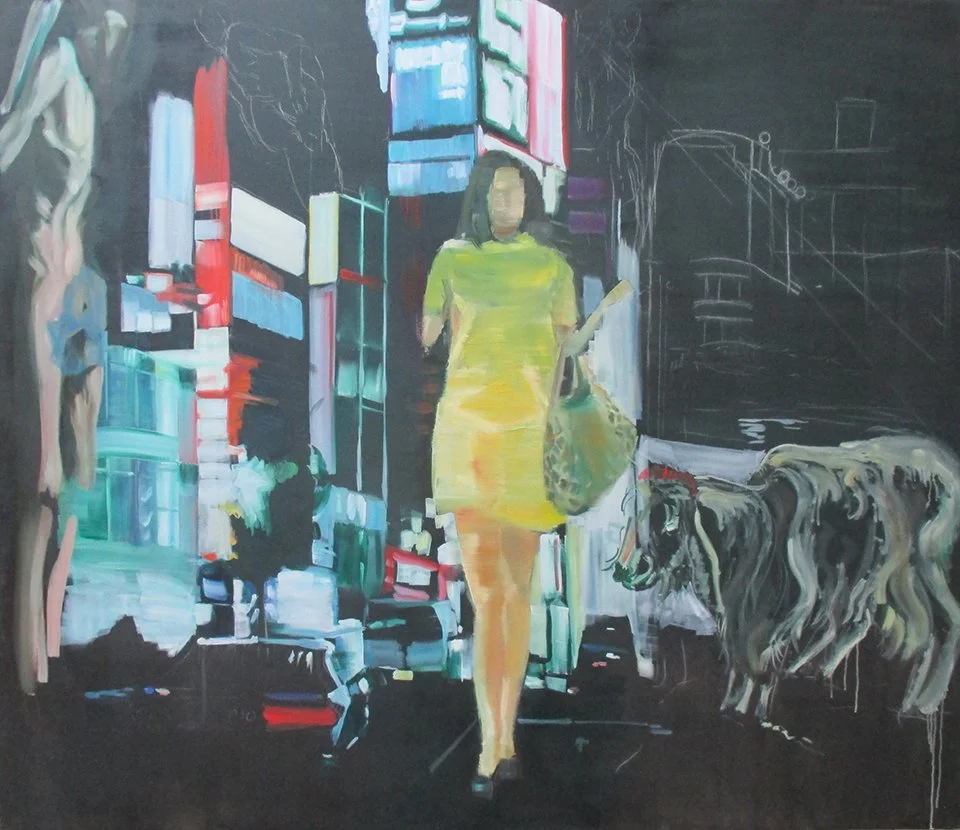
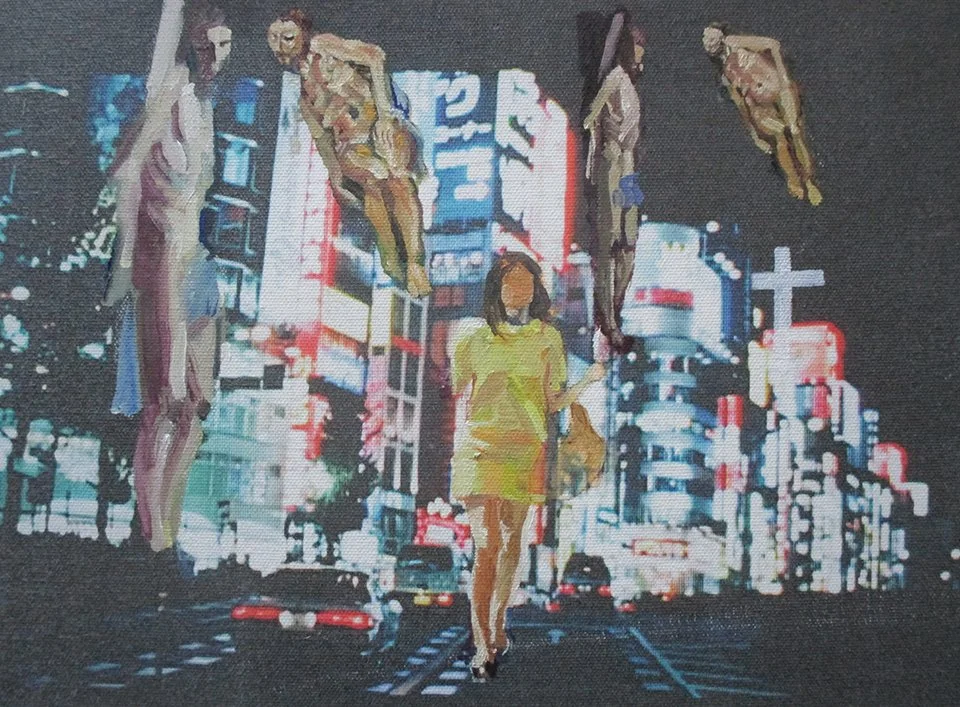
Nicholas Wyatt’s paintings combine two systems of thought that are ordinarily separated by modern secular concepts and values – aesthetics and religion. His work explores themes of presence, reception aesthetics, spirituality and narrative, especially through the lens of Baroque religious iconography, examining how meaning and experience are communicated in painting across time and cultures.
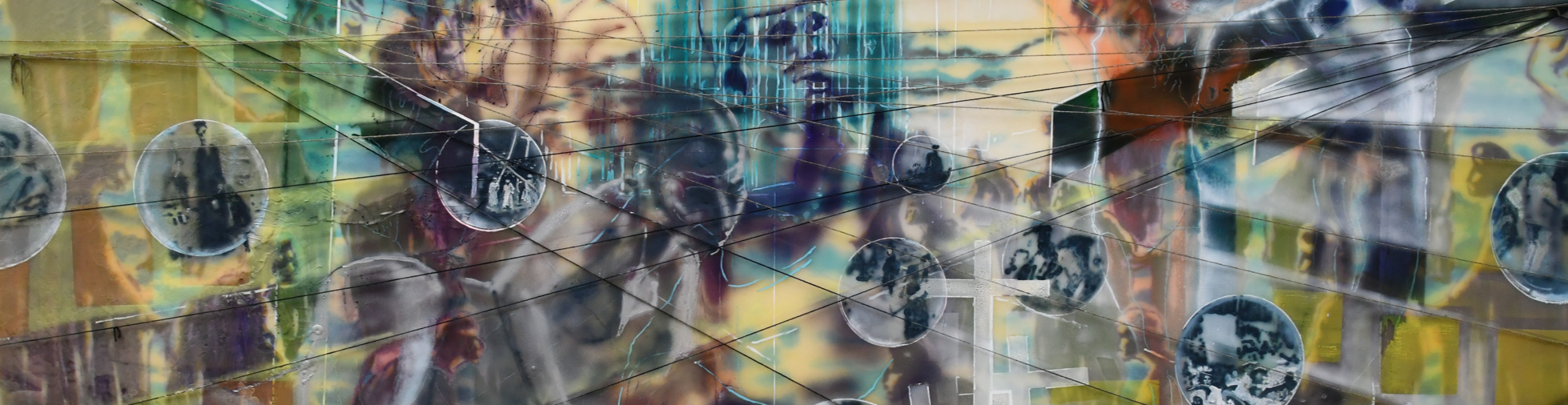
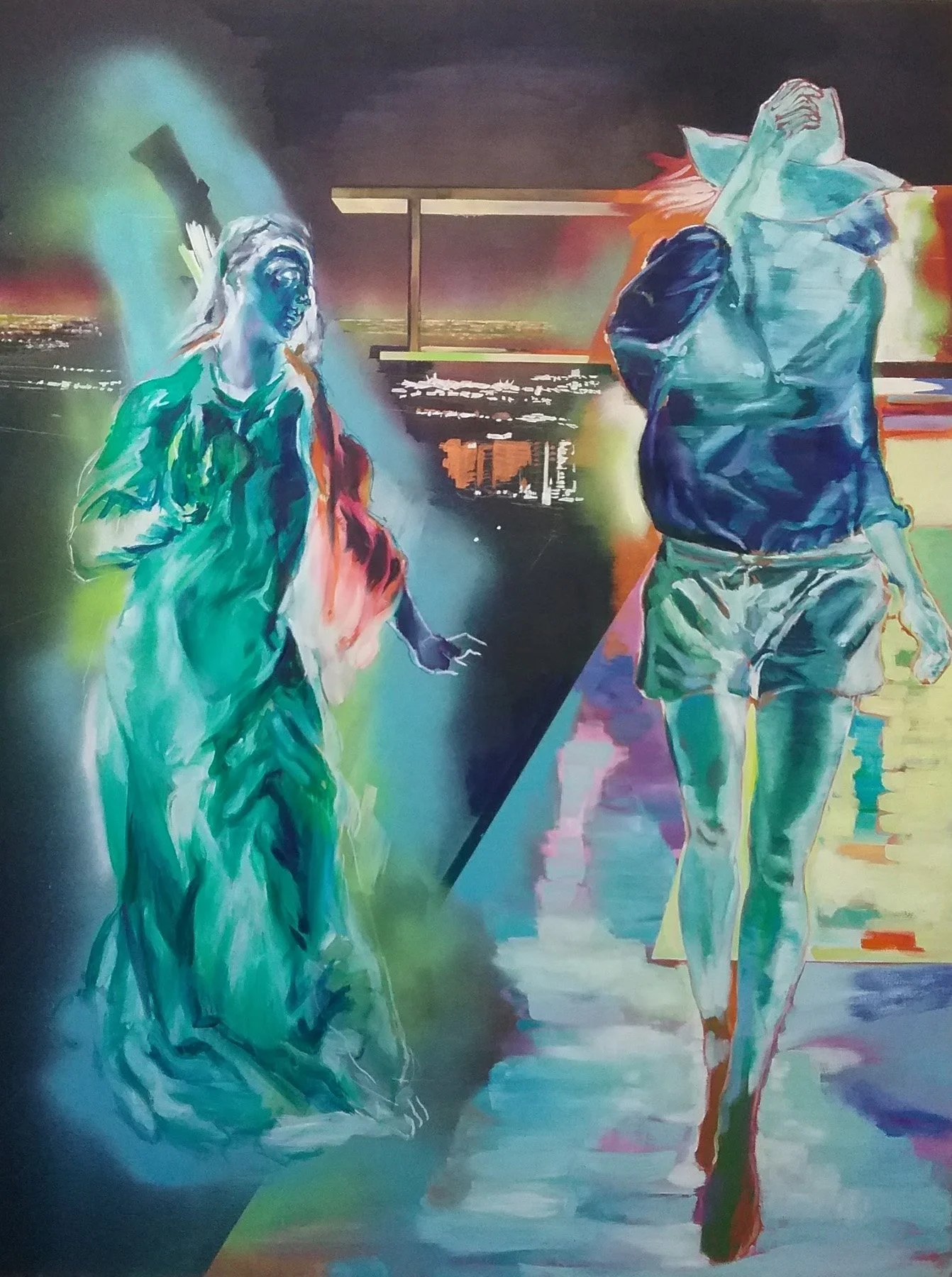
About Nicholas Wyatt…
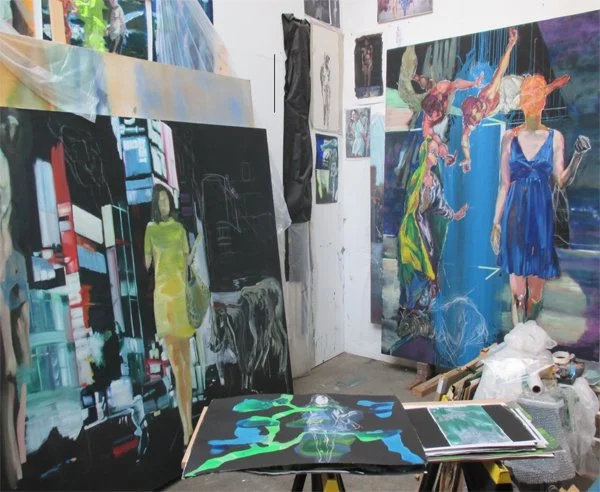
Nicholas Wyatt is a London-based contemporary British artist, researcher, and a founding member of Cubitt London, where he has his studio. He is the author of The Christian Image and Contemporary British Painting: The Communication of Meaning and Experience in Religious Paintings.
Nicholas Wyatt’s paintings combine two systems of thought ordinarily separated by modern secular concepts and values – aesthetics and religion. His work explores themes of presence, reception aesthetics, spirituality and narrative, especially through the lens of Baroque religious iconography, examining how meaning and experience are communicated in painting across time and cultures.
Wyatt has garnered critical acclaim for his figurative paintings, which often draw inspiration from Baroque devotional altarpieces. His work has been exhibited widely in London, the Netherlands, Germany and Italy, and is included in collections such as those of the Vatican and the Stadt Sparkasse Bank in Dusseldorf. Wyatt's contributions to contemporary art have been recognized and appreciated by art critics, collectors and film-makers. His ability to blend traditional techniques with contemporary sensibilities has earned his work a distinctive position in contemporary painting practice.
He works across various mediums, including painting, drawing and printmaking. Wyatt's practice encompasses both abstract and figurative painting, and is characterized by expressive
Art & Practice…
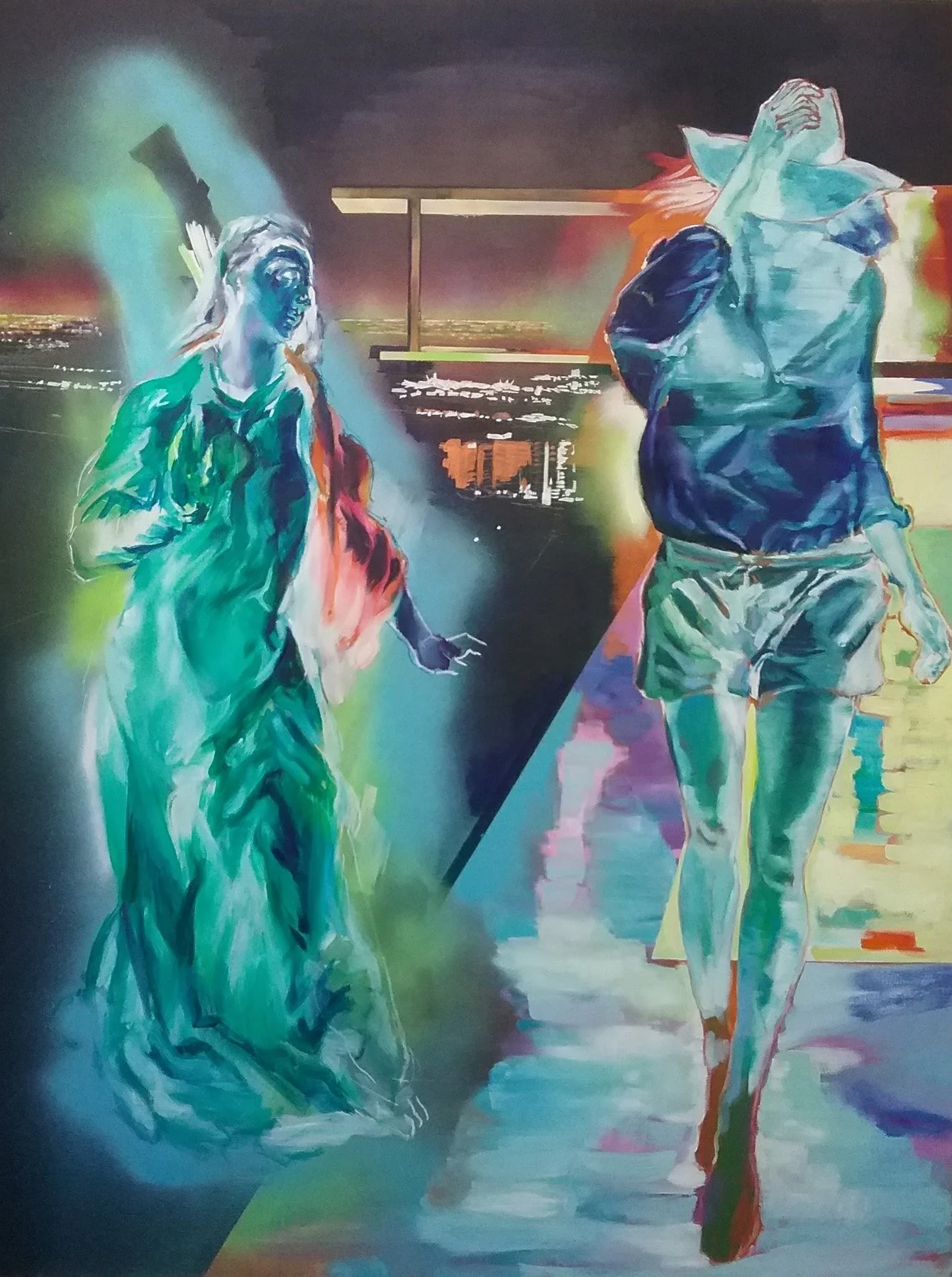
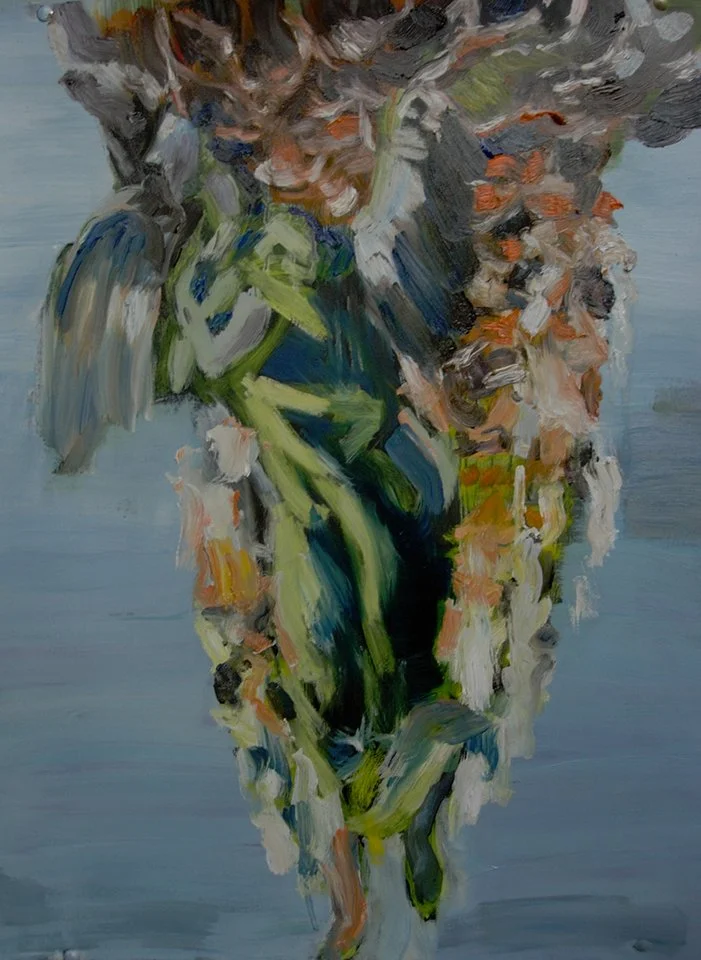
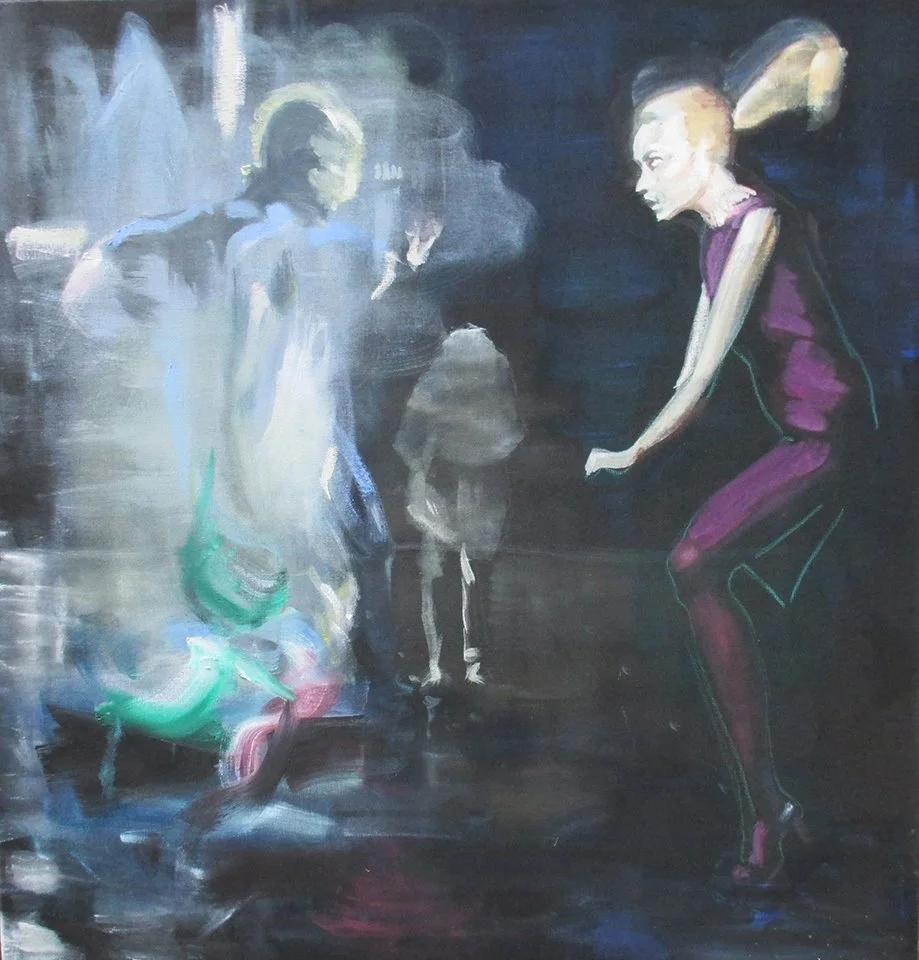
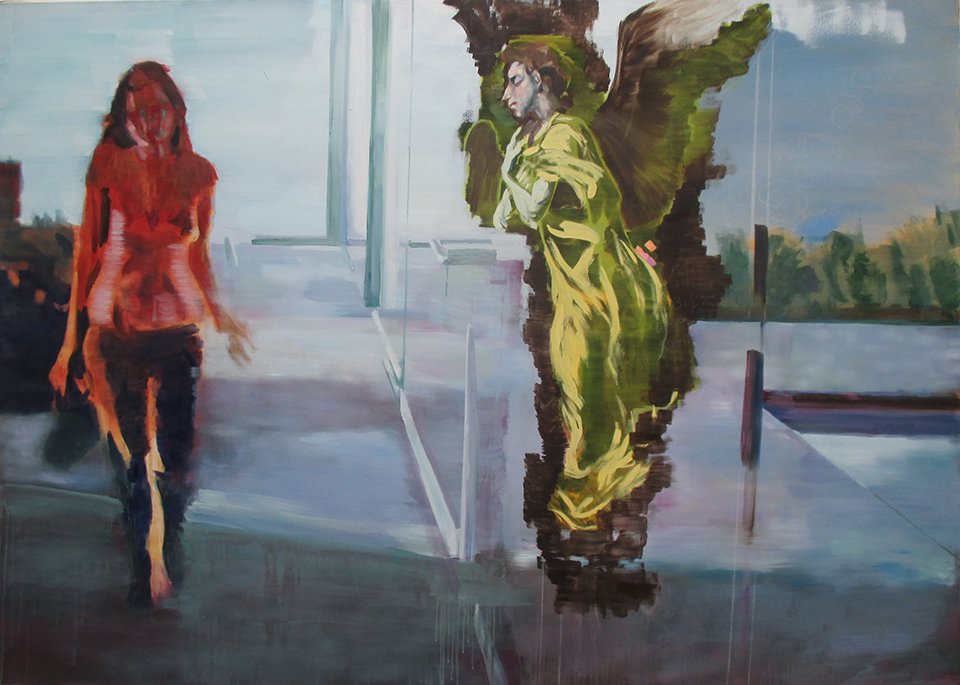
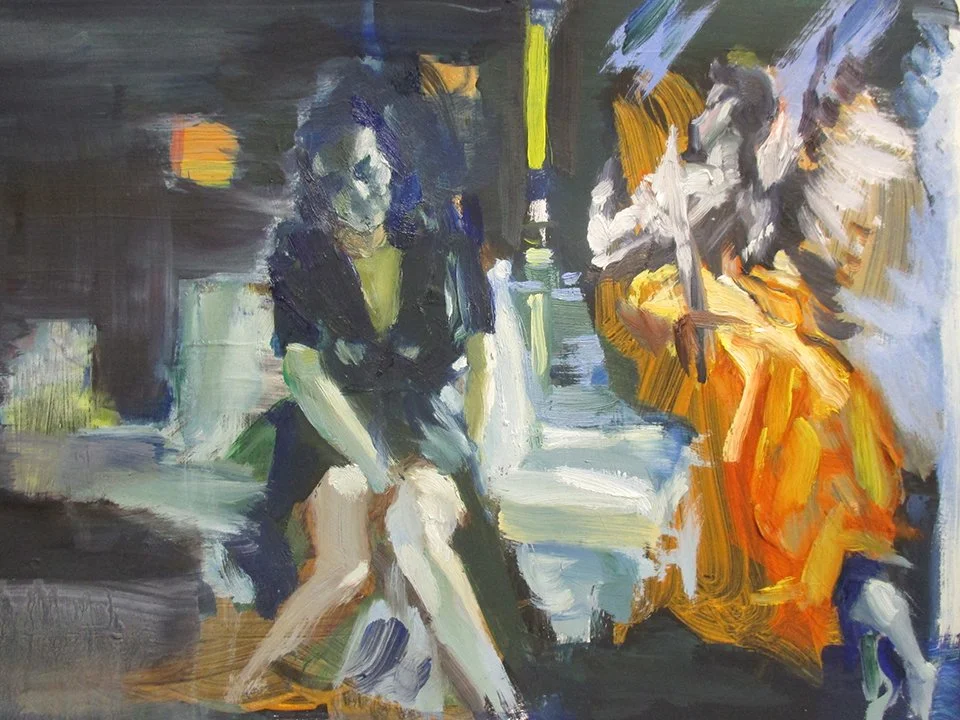
Nicholas Wyatt’s work is distinguished by a unique fusion of the traditional and the contemporary. His paintings investigate how the transmission of meaning and experience found in certain historic forms of Christian post-reformation painting can be reimagined or reproduced in the present day. His practice spans both figurative and abstract painting, alongside works on paper, drawings and limited-edition digital prints. He employs a vibrant and expressive brushwork, with rich and often contrasting colour palettes, imbuing his work with emotional intensity and visual resonance.
‘The experience I aim to generate in my paintings is an affective and experiential narrative of presence, – Eliot’s “unity of thought, feeling and action”, which I argue is found in the meaning and experience of those key Christian devotional images.’
Wyatt’s paintings explore profound themes, including:
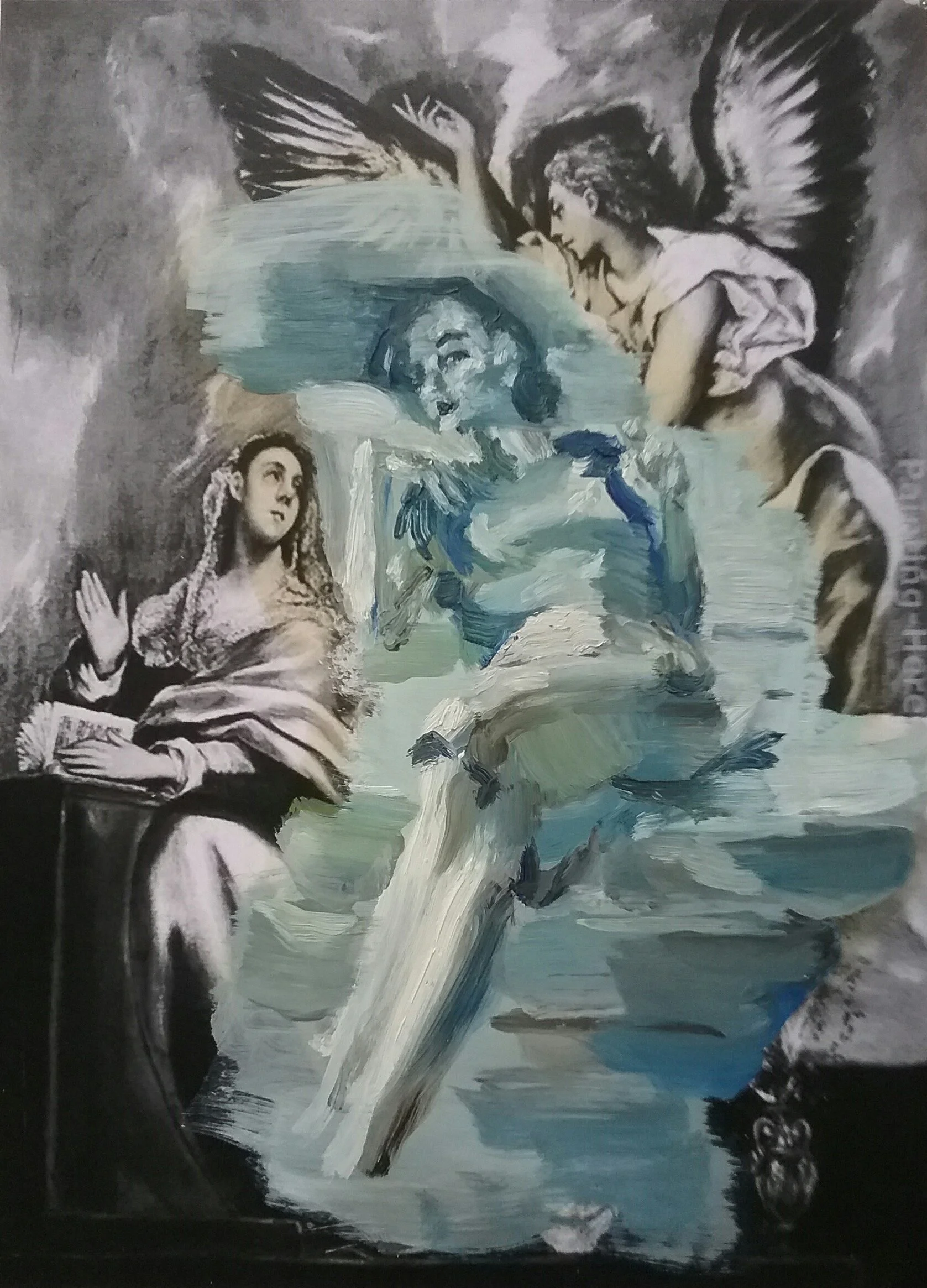
Narratives of Presence: His work investigates how presence and narrative are communicated through visual art. Drawing on Baroque religious iconography, he engages with the reception aesthetics of devotional imagery by artists such as Bernini, Caravaggio and El Greco. Through both abstract and figurative forms, Wyatt explores how these visual languages can be reinterpreted, probing the concept of presence while examining the intersection of religious tradition and contemporary aesthetics.
Religion and Spirituality: Religious and spiritual themes are central to Wyatt's practice. He reinterprets traditional Christian imagery, using it as a lens to delve into contemporary aesthetic and conceptual concerns. His use of symbolism and hidden meanings invites deep contemplation and interpretation.
Landscape and Metaphor: The natural world is another recurring motif in his work, often serving as a metaphor for spiritual journeys and personal reflection.
Expression and Symbolism:
Wyatt’s style is heavily influenced by expressionist painting. His dynamic use of colour, distorted forms and loose brushstrokes heighten the emotional and symbolic dimensions of his work. His compositions frequently include symbolic imagery, which contributes to their intellectual and emotional depth, encouraging viewers to engage on multiple levels.
Gallery